White Oak Orchard
Pecan
Pecan
Share
Couldn't load pickup availability
COMING SOON – PRE-ORDERS OPEN AUGUST 2026
Our next crop of bare-root seedlings will be available for pre-order beginning in August 2026 for Late Fall 2026 and Spring 2027 shipping.
Many varieties sell out before planting season, so be sure to join our notification list for first access when pre-orders open.
Better Trees. Better Habitat. Better Hunts.
Pecan Seedling
Long-Term Nut Tree for Wildlife, Orchards, and Habitat Improvement
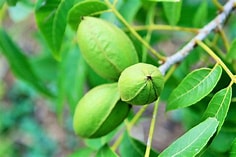
Our Pecan Seedlings are a great choice for landowners who want to plant for long-term nut production, wildlife value, and property improvement. Pecans can provide excellent food for wildlife while also adding lasting value to orchards, farms, homesteads, and habitat projects.
These seedlings are grown from seed in air-pruning nursery beds at White Oak Orchard in Trenton, South Carolina. Air-pruning encourages dense, fibrous root systems instead of circling roots, helping improve transplant success, establishment, and long-term growth once planted.
Why Plant Pecan?
Pecan is a valuable long-term tree because it offers:
· Nut production for wildlife and long-term orchard potential
· Strong value for farms, homesteads, and habitat plantings
· Good wildlife attraction for deer, turkey, squirrels, and other wildlife
· Long-lived growth and lasting property value
· A strong option for reforestation and land improvement projects
Best Planting Sites
Pecan trees perform best in full sun and deep, fertile, well-drained soil. They are best suited for open areas, orchard-style plantings, field edges, bottomland sites with good drainage, and larger wildlife plantings.
Avoid planting pecans in tight shade or areas with poor drainage. Young trees benefit from weed control, protection from deer browse, and consistent moisture during establishment.
Wildlife Value
Pecan trees can provide a valuable long-term food source for wildlife. Once mature, pecans can attract deer, turkey, squirrels, and other wildlife while also adding diversity to your mast-producing tree planting.
Product Details
|
Field |
Details |
|
Species |
Pecan |
|
Scientific Name |
Carya illinoinensis |
|
Type |
Bare-root seedling |
|
Height at Shipping |
Typically 18-24 inches |
|
Age |
2 year |
|
Sunlight |
Full sun preferred |
|
Soil |
Deep, fertile, well-drained soil |
|
Wildlife Use |
Deer, turkey, squirrels, and other wildlife |
|
Best Uses |
Wildlife habitat, orchard plantings, homesteads, reforestation, and long-term nut production |
|
Recommended Protection |
Tree tube |
Shipping Information
Seedlings are shipped bare-root while dormant.
· Fall Shipping: Late November to mid-December, based on USDA Zone and availability
· Spring Shipping: Mid-December to mid-April, based on USDA Zone and availability
For best survival, plant as soon as possible after receiving your seedlings, keep roots moist until planting, and protect young trees from deer browse and competing weeds.
For best results, pair your seedling with one of our tree tubes, stakes, and planting accessories to give your tree the strongest start possible.